
DIY Outdoor Plumbing Winterization Prep: Prevent Corrosion in Killeen and Lacy Lakeview
Central Texas outdoor plumbing faces unique corrosion challenges from hard water and temperature swings. Here's how to winterize before cold months arrive.
Quick Answer
Winterize outdoor faucets and bibbs in Killeen by turning off water supply, removing mineral deposits, applying rust inhibitor, and insulating exposed fittings before hard freezes arrive.
Tools needed
Adjustable wrench or pipe wrench, Phillips and flathead screwdrivers, Wire brush or coarse steel wool, Spray bottle, Bucket, Safety glasses, Work gloves

Outdoor plumbing in the Killeen and Lacy Lakeview area takes a beating year-round. Summer heat, mineral-laden water, and the occasional hard freeze create conditions that corrode faucets, hose bibbs, and exposed pipe fittings faster than many homeowners expect. Getting ahead of the damage before cold months arrive saves money and prevents burst pipes or flooded yards.
Why Do Outdoor Faucets and Bibbs Corrode Faster in Central Texas?
Central Texas climate puts outdoor plumbing through repeated stress cycles that accelerate corrosion on brass, copper, and iron components. The Killeen area swings between triple-digit August heat and occasional hard freezes that drop below 20 degrees Fahrenheit, and that expansion-and-contraction cycle weakens metal fittings over time.
The water supply throughout the Waco-Temple-Killeen corridor is notoriously hard. High concentrations of calcium and magnesium leave mineral scale on every surface water touches. On outdoor faucets, that scale builds up inside threaded connections and around valve seats, creating microscopic pockets where moisture collects and oxidation begins.
UV exposure compounds the problem. Prolonged sun exposure degrades rubber seals and protective coatings on exterior fittings. During summer months, humidity around shaded faucets stays elevated, especially near irrigation lines or landscaped beds with mulch that holds moisture close to the faucet base. Hard water deposits on brass and copper act as corrosion pathways, pulling moisture into the metal surface even between uses. Catching this damage early is far less expensive than replacing a failed bibb or repairing a burst pipe.
What Tools and Materials Do I Need to Winterize Outdoor Plumbing?
Gathering the right supplies before you start saves multiple trips to the hardware store. Most of these items are available at Home Depot in Killeen or at local hardware stores in Lacy Lakeview and Harker Heights.
Tools:
- Adjustable wrench or pipe wrench (for bibb removal or tightening)
- Phillips and flathead screwdrivers
- Wire brush or coarse steel wool
- Spray bottle (for rinsing)
- Bucket
- Safety glasses
- Work gloves
Materials:
- Foam pipe insulation sleeves or pre-formed faucet covers ($5-15 each)
- Heat tape for especially exposed faucets ($20-40)
- Garden hose shut-off valve kit ($8-15)
- PTFE plumber's tape
- Rust-dissolving spray such as WD-40 Specialist Rust Remover or similar
- Rust inhibitor spray or outdoor pipe sealant
- Penetrating oil such as PB Blaster for stuck valves
- Zip ties or elastic bands to secure insulation covers
Budget roughly $40-80 for a full two-faucet winterization if you start with nothing on hand. If you already own basic tools, material costs drop considerably.
How Do I Safely Turn Off Water Supply to Outdoor Faucets?
Before touching any fittings, you need to cut the water supply to your outdoor lines. Skipping this step causes water damage and makes corrosion removal impossible.
First, locate your home's main shut-off valve. In most Lacy Lakeview homes, it sits near the water meter, often in a small box at the front of the property, or inside near the utility room. If your home has individual shut-off valves dedicated to outdoor bibbs, those are usually found in a crawlspace, utility closet, or behind an access panel near the exterior wall.
Turn valves clockwise until they stop moving. Do not force them past the natural stop point. If a valve feels stuck, apply penetrating oil and wait 10 minutes before trying again. Forcing an old valve can snap the stem and create a larger problem.
Once the supply is off, open your outdoor faucet fully by turning the handle counterclockwise. This releases remaining pressure in the line and allows residual water to drain out. Leave the faucet open until no more water drips from the spout. Label your shut-off valves with a marker or masking tape tag so you or another household member can find them quickly during an emergency.
What Are the Step-by-Step Instructions for Removing Corrosion from Outdoor Bibbs?
Corrosion removal is straightforward with the right materials. Work through these steps carefully and avoid skipping the drying and sealing stages.
Step 1: Turn off the water supply and open the faucet to relieve all pressure. Confirm no water is flowing before you begin.
Step 2: Examine the bibb exterior in good lighting. Note orange or brown rust patches, white or gray mineral crust, and any green discoloration on brass, which indicates oxidation of the copper content.
Step 3: Put on safety glasses and work gloves. Use a wire brush or coarse steel wool to scrub loose rust and mineral deposits from all exterior surfaces. Work in short strokes around threaded areas and along the spout.
Step 4: Apply rust-dissolving spray directly to corroded areas. Let it sit for 10 to 15 minutes. The product needs time to penetrate and break down oxidized metal.
Step 5: Scrub again with the wire brush using firm, circular motions. Focus on pitted areas and around the valve handle base where mineral deposits accumulate.
Step 6: Rinse all treated surfaces thoroughly with clean water from a spray bottle. Avoid spraying water into the interior of the faucet opening.
Step 7: Dry the entire faucet with a clean cloth. Any moisture left behind will restart the oxidation process before the sealant has a chance to protect the surface.
Step 8: Apply rust inhibitor spray or outdoor pipe sealant in a thin, even coat over all cleaned surfaces.
Step 9: Allow the sealant to cure fully according to the manufacturer's instructions, typically 1 to 4 hours, before restoring water supply or installing insulation covers.
Should I Install Frost-Free Faucets or Insulation Covers?
Frost-free faucets and insulation covers both reduce freeze and corrosion risk, but they work differently and carry different costs.
Frost-free bibbs, also called anti-siphon sillcocks, have an extended stem that pushes the shut-off point 6 to 12 inches inside the wall where temperatures stay above freezing. When you turn the handle off, water drains back from the exposed portion of the faucet automatically. This design eliminates the standing water that freezes and expands in a standard bibb.
Installing a frost-free faucet runs $150 to $300 when a licensed plumber handles it in the Killeen and Lacy Lakeview area. The higher cost reflects pipe modification inside the wall. If you plan to stay in your home long-term, this is a solid investment.
Insulation foam sleeves and pre-formed faucet covers cost $10 to $30 per faucet and slip on in minutes. They add a thermal buffer that helps standard bibbs survive a brief cold snap, which describes most central Texas freeze events. They do not provide the same protection as a frost-free faucet during a sustained hard freeze.
The most effective approach combines both: install a frost-free bibb and add an insulation sleeve over it. Killeen and surrounding communities like Copperas Cove and Harker Heights rarely see temperatures below 20 degrees for more than a day or two, so the combination approach handles nearly every realistic scenario without major cost.
How Do I Drain and Winterize Garden Hose Bibbs Before Cold Months?
Garden hose bibbs are the most common outdoor plumbing fixture and among the most frequently damaged by freezes and corrosion. Follow these steps each fall before the first expected cold front.
Disconnect all garden hoses from outdoor faucets. Hoses left attached trap water inside the bibb even after you turn off the supply valve, which creates freeze risk and accelerates corrosion at the connection point. Store hoses coiled flat in a garage or shed to prevent cracking.
Turn the bibb handle fully counterclockwise to the open position, then confirm the water supply is off. Leave the faucet open to allow all residual water to drain from the line. On frost-free models, listen for water trickling out of the small drain holes near the wall; that drainage confirms the anti-siphon mechanism is working.
Slide a foam insulation sleeve or pre-formed cover over the bibb. Secure it with zip ties or heavy elastic bands. Loose covers blow off in Central Texas wind gusts and leave the faucet unprotected. Label each covered faucet with tape so landscapers or family members do not accidentally snag the cover.
If the faucet opening is accessible, spray a light coat of rust inhibitor inside the spout before covering. Check covers monthly through winter for moisture infiltration or physical damage.
What Maintenance Should I Do in Summer to Prevent Fall and Winter Corrosion?
Summer maintenance is just as important as fall winterization for outdoor faucets in Lacy Lakeview and Killeen. The heat and hard water conditions that are most intense during June through September lay the groundwork for corrosion that becomes visible by November.
Inspect each bibb monthly for early rust spots or white mineral crust. Catching deposits early means a quick scrub with a vinegar solution instead of a full rust-removal job. Mix equal parts white vinegar and water in a spray bottle, apply to mineral deposits, wait five minutes, and scrub with a soft brush.
Apply rust-preventative spray every two to three months during warm weather. Check your water pressure with an inexpensive gauge from any hardware store. Pressure above 80 PSI accelerates wear on seals and fittings. If you see high readings consistently, a pressure-reducing valve may be worth installing.
Ensure the ground around each faucet drains away from the base rather than pooling. Tighten any loose mounting bolts or hose connections. Test frost-free valves by turning the handle to verify water drains from the spout quickly. Replace deteriorated washers or seals before they fail and cause a slow leak that goes unnoticed for weeks.
What Safety Precautions Should I Take During Winterization?
Outdoor plumbing work involves chemical products and corroded metal edges. A few straightforward precautions keep the job safe.
Wear safety glasses any time you scrub corroded metal. Wire brushing sends rust flakes and mineral particles in unpredictable directions. Work gloves protect your hands from sharp rust edges and from chemical irritants in rust-dissolving sprays.
Use rust inhibitors and dissolving sprays in open, well-ventilated areas. Never apply them in enclosed spaces like crawlspaces without respiratory protection. Do not mix different chemical products; combined fumes from rust removers and sealants can be hazardous.
Test shut-off valves gently. Old valves in homes throughout central Texas can be brittle, especially gate valves that have not been operated in years. Apply penetrating oil first and turn slowly. Allow all sealants and inhibitors to cure completely before restoring water flow. Keep children and pets away from the work area during chemical application. Dispose of used materials, old insulation, and empty chemical containers according to local guidelines in Killeen and Bell County.
When Should I Call a Professional Plumber Instead of DIY Winterization?
Most outdoor faucet winterization is manageable for a homeowner with basic tool familiarity. However, some situations call for a licensed plumber rather than a DIY fix.
Contact a professional if your main shut-off valve is stuck, missing, or inaccessible. Operating on outdoor plumbing without the ability to cut water supply is not safe. Call a plumber if corrosion has eaten through the wall of the bibb or compromised the fitting structurally; a corroded-through faucet body will fail under water pressure and cannot be patched.
If you notice water staining on interior drywall near an outdoor faucet location, the bibb or the pipe connecting it may already be leaking inside the wall. That situation needs professional diagnosis. Installing a new frost-free faucet that requires cutting into supply pipes inside the wall also falls outside typical DIY scope if you are not comfortable with soldering or push-fit fittings. Killeen area plumbers can often schedule winterization and faucet replacement visits in October and November before the first freeze risk arrives.
Frequently Asked Questions
How Much Does It Cost to Replace a Corroded Outdoor Faucet in Killeen?
A standard outdoor faucet replacement in the Killeen and Lacy Lakeview area typically runs $120 to $250 for parts and labor when a plumber handles the job. Frost-free sillcock installation costs $150 to $300 depending on wall thickness and pipe access. DIY replacement using a push-fit bibb costs $20 to $50 in materials alone.
Can I Leave My Garden Hose Connected During Winter in Central Texas?
Leaving a hose connected during winter is a common mistake in the area. Even during mild freezes, a connected hose traps water inside the bibb and prevents internal drainage on frost-free models. Disconnect and store hoses before any forecast with overnight lows below 35 degrees Fahrenheit.
What Is the Difference Between Standard and Frost-Free Outdoor Faucets?
A standard bibb shuts off water at the exterior wall, leaving water sitting in the exposed spout where it can freeze. A frost-free faucet shuts off 6 to 12 inches inside the wall where temperatures stay above freezing, and it drains the exposed portion automatically when turned off, greatly reducing freeze damage risk.
Frequently Asked Questions
How Much Does It Cost to Replace a Corroded Outdoor Faucet in Killeen?▾
Can I Leave My Garden Hose Connected During Winter in Central Texas?▾
What Is the Difference Between Standard and Frost-Free Outdoor Faucets?▾
Related Guides
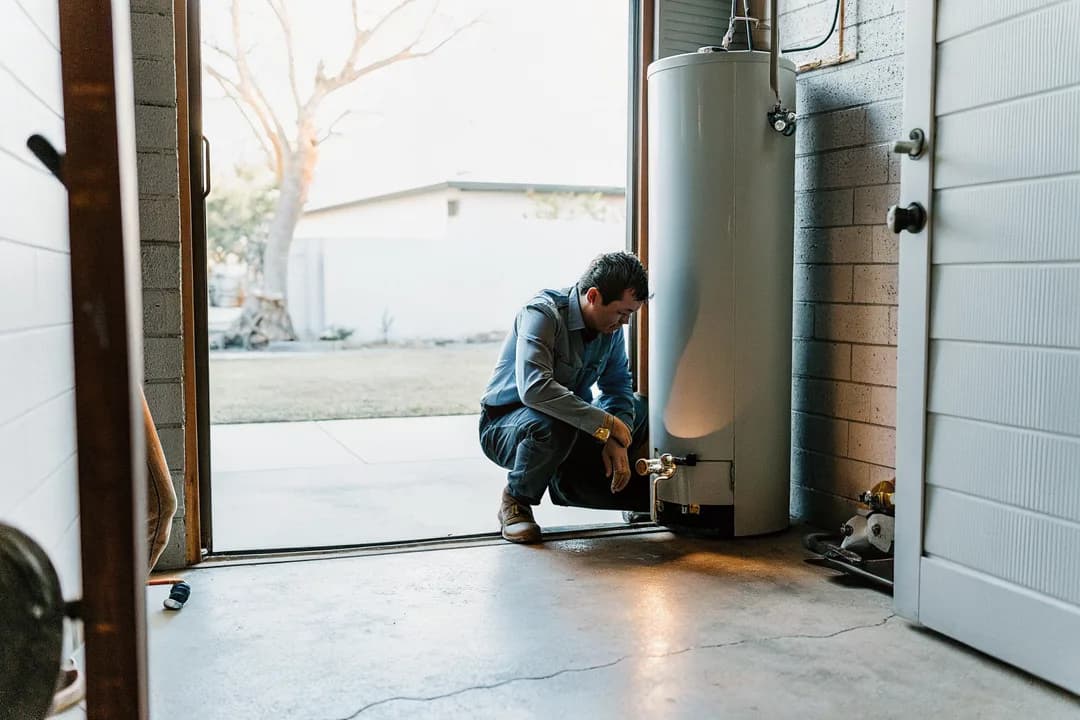
Water Heater Problems in Fall: Cost and When to Replace in Waco
Learn water heater repair and replacement costs in Waco-Temple-Killeen, warning signs of failure, and why fall is the right time to act.
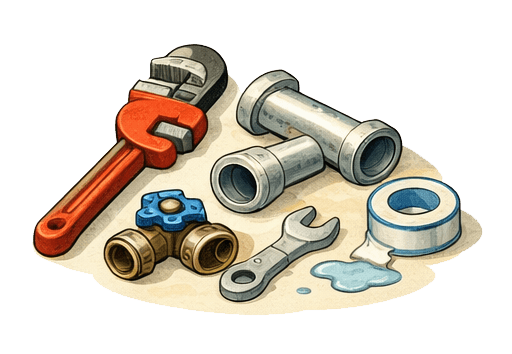
Signs of Plumbing Problems in Killeen TX
Killeen homeowners face hard water and shifting soil. Learn to spot leaks, drain issues, and pressure problems before they cost thousands.
DIY: How to Troubleshoot Outdoor Electrical & Hose Bib Leaks in Waco
Learn how to diagnose and fix outdoor faucet leaks and GFCI outlet issues in Waco and Hewitt with this step-by-step DIY guide.