
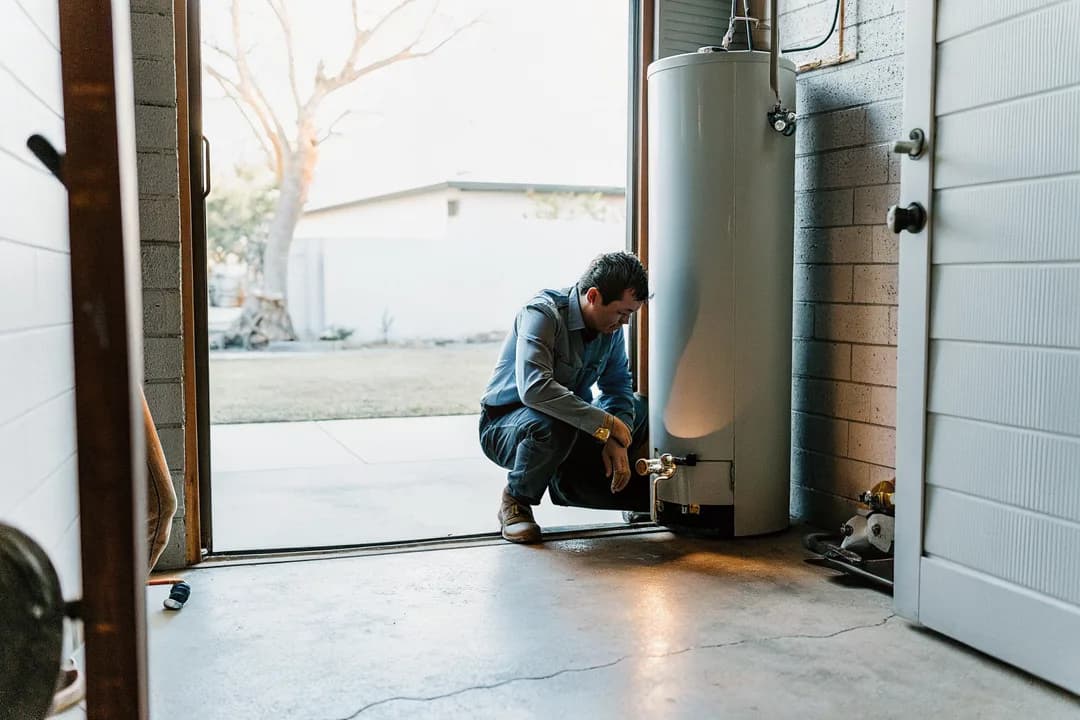
Photo: Pexels
Water Heater Problems in Fall: Cost and When to Replace in Waco
Based on recent jobs in the Waco-Temple area, here's what homeowners are paying for water heater repairs this fall.
Quick Answer
$150 -- $600
- *Unit age and whether it runs on gas or electric
- *Labor rates: $75–$125/hour plus 25–50% markup for emergency service
- *Parts availability; older models may require special orders
- *Hard water buildup and sediment accumulation in Central Texas

Fall is a practical time to get ahead of water heater issues in the Waco-Temple-Killeen area. Cooler temperatures are coming, demand for hot water will climb, and a failing unit rarely waits for a convenient moment to give out. This guide walks through repair costs, replacement thresholds, and what local homeowners should watch for as the season changes.
How Much Does Water Heater Repair Cost in Waco?
Most water heater repairs in the Waco area run between $150 and $600, depending on the problem and the type of unit. Thermostat and heating element replacements typically land between $200 and $400. A sediment flush with basic maintenance usually costs $110 to $250.
Local Waco plumbers generally charge $75 to $125 per hour plus parts. If you need emergency or after-hours service, expect that base rate to increase by 25 to 50 percent. Scheduling repairs in fall rather than during a January cold snap can save you real money, since emergency call rates spike when every plumber in Bell and McLennan counties is booked solid.
Several factors affect what you will actually pay: the age of your unit, whether it runs on gas or electric, how accessible the unit is, and parts availability. Older or less common models sometimes require special-order components, which adds both cost and wait time. Getting an estimate before the busy season puts you in a better position to compare prices and schedule on your terms.
What Are the Warning Signs Your Water Heater Is Failing?
Several clear signals indicate a water heater is on its way out. Catching them early gives you options. Waiting until the unit fails completely usually means an emergency service call and no hot water for a day or more.
Rusty or discolored water from your hot taps is one of the most telling signs. That discoloration points to internal corrosion inside the tank, and it rarely improves on its own. Strange noises such as popping or crackling during the heating cycle suggest sediment buildup at the bottom of the tank. In Killeen and Copperas Cove, where hard water is common, this buildup happens faster than homeowners expect.
Inconsistent water temperature or noticeably longer heating times are also red flags. If you have to wait twice as long for a hot shower as you did a year ago, the unit is working harder to compensate for a problem. Visible moisture or pooling water around the base of the tank means a seal or connection has failed, and corrosion is often the underlying cause.
A rotten egg or sulfur smell from your hot water points to bacterial growth inside the tank, usually linked to a deteriorating anode rod. Reduced hot water volume, even with normal household usage, suggests the unit can no longer maintain its rated capacity.
Any unit older than 10 to 12 years deserves a close look this fall. Even if it is technically functioning, aging units in central Texas work harder during winter demand, and that added stress tends to push marginal units over the edge.
When Should You Repair vs. Replace Your Water Heater?
The general rule is straightforward: repair if the unit is under seven years old and the repair cost is less than half the cost of a replacement. Replace if the unit is over 10 to 12 years old, even if the current problem seems minor.
Corrosion damage almost always warrants replacement rather than repair. Once the interior of a tank has corroded significantly, patching one problem does not stop the underlying deterioration. You end up spending on repairs repeatedly until the unit fails completely anyway.
If multiple problems exist at the same time, such as sediment buildup, a failing thermostat, and a leaking pressure relief valve, the math usually favors replacement. A newer unit also delivers measurable energy savings. Older electric water heaters in Temple and Harker Heights homes often run at lower efficiency ratings than current models, which adds to your monthly utility bill year after year.
Fall is a practical time to schedule a replacement if you decide to go that route. Plumbers have more availability now than they will in December or January. Installation can be completed without the pressure of an emergency, and your new unit will be fully operational before winter usage peaks. New units typically carry warranties of 6 to 12 years, which adds meaningful long-term value to the decision.
Upgrade options in the Waco area include standard tank units, tankless water heaters, and heat pump models, each with different upfront costs and efficiency profiles.
How Much Does Water Heater Replacement Cost in Waco?
Installed costs for water heater replacement in the Waco area vary by unit type. A standard 40 to 50 gallon tank unit runs $1,200 to $2,000 fully installed, including removal and disposal of the old unit. Tankless water heater installation costs more, typically $2,500 to $4,500, depending on whether gas line or electrical panel upgrades are needed.
Heat pump water heaters, sometimes called hybrid units, generally cost $2,000 to $3,500 installed. They use significantly less electricity than conventional electric tanks, which appeals to homeowners focused on long-term utility costs.
Labor accounts for $400 to $800 of the total, depending on the complexity of the job. Gas line modifications or electrical upgrades add another $250 to $2,000. Permit requirements in Temple and Killeen can add $50 to $150 to the total, and pulling the proper permit is worth doing. It protects you during future home sales and ensures the work meets city code.
Local utility companies serving McLennan and Bell counties sometimes offer energy efficiency rebates on qualifying units. These rebates can offset several hundred dollars of the upfront cost, so it is worth asking your utility provider and your contractor about current programs before you commit to a specific model.
What Causes Water Heater Corrosion in Fall?
Central Texas water is hard. Reports from Waco, Killeen, and Temple consistently show elevated mineral content, and those minerals accelerate internal tank corrosion over time. Hard water leaves calcium and magnesium deposits inside the tank, and those deposits create reactive surfaces that speed up deterioration.
Fall brings its own stressors. Temperature swings between warm afternoons and cooler nights cause tank materials and pipe connections to expand and contract repeatedly. That cycle puts stress on fittings and seals that may already be worn. Seasonal humidity shifts in the Waco area also affect exterior surfaces, contributing to rust on older tanks.
The sacrificial anode rod inside your tank is designed to corrode so the tank itself does not. Once that rod is depleted, the tank becomes vulnerable. Most homeowners have no idea the rod exists until corrosion damage is already visible.
Regular flushing removes sediment and extends tank life by roughly two to three years in hard water areas like central Texas. Fall is a logical time to schedule that maintenance before winter demand arrives.
Why Is Fall the Best Time for Water Heater Service in Central Texas?
Fall scheduling works in your favor for several reasons. Plumbers in Waco, Killeen, and Temple are more available now than during the winter rush. That availability translates to faster scheduling, less waiting, and in many cases, more competitive pricing. Some contractors also run seasonal promotions in fall to fill their calendars before the busy season.
Addressing problems now means your unit is ready before the coldest months. A water heater that struggles in October will almost certainly fail under heavier winter demand. Handling a repair or replacement in November rather than January also gives you time to shop estimates and choose a contractor without pressure.
For homeowners considering an upgrade to a tankless or hybrid unit, fall allows for the multi-day installation timeline that some projects require, without the urgency of a midwinter breakdown.
What Maintenance Steps Prevent Water Heater Problems?
An annual professional inspection costs $100 to $200 and extends the life of your unit by catching small problems before they become expensive ones. For Waco area homes with hard water, flushing sediment every one to two years is a reasonable standard, not a luxury.
The anode rod should be checked and replaced every three to five years. This single step does more to prevent internal corrosion than almost anything else. Ask your plumber to inspect it during a fall service visit.
Check that the temperature and pressure relief valve opens and closes properly. This valve is a safety device, and a stuck or corroded valve can be a serious hazard. Insulating exposed pipes and the tank itself improves efficiency and reduces heat loss, particularly in garages and utility closets that are not climate controlled.
Keep the area around your water heater clear. Gas units need adequate ventilation, and cluttered spaces increase risk. Monitor water temperature consistency month to month. A noticeable change is often the first clue that something is wrong before any visible damage appears.
Where Can You Find Licensed Water Heater Plumbers in Waco-Temple-Killeen?
Start by verifying that any contractor holds a current Texas plumbing license and has pulled the proper local permits for water heater work in your city. Killeen, Temple, and Waco each have their own permit requirements, and a licensed contractor will handle that process without prompting.
Get estimates from at least three contractors before committing. Ask each one for a detailed written estimate that includes parts, labor, permit fees, and timeline. Confirm that warranties cover both parts and labor for a minimum of one year.
Read reviews that specifically mention water heater services rather than general plumbing work. Ask whether the contractor has experience with both gas and electric units, and confirm emergency service availability and what the after-hours rate would be. The Waco Better Business Bureau and the Texas State Board of Plumbing Examiners are both useful resources for checking contractor standing.
If you are ready to move forward, request an estimate from a licensed local contractor in the Waco-Temple-Killeen area today. Fall is the right time to act, and getting a written quote costs you nothing.
Frequently Asked Questions
How much does it cost to repair a water heater in Waco Texas?▾
When should I replace my water heater instead of repairing it?▾
What does water heater corrosion cost to fix in the Waco area?▾
How long does water heater installation take in central Texas?▾
Are there water heater rebates available in Waco?▾
What is the average lifespan of a water heater in Texas?▾
Related Guides
DIY: How to Troubleshoot Outdoor Electrical & Hose Bib Leaks in Waco
Learn how to diagnose and fix outdoor faucet leaks and GFCI outlet issues in Waco and Hewitt with this step-by-step DIY guide.
DIY Outdoor Plumbing Winterization Prep: Prevent Corrosion in Killeen and Lacy Lakeview
Learn how to prevent outdoor faucet corrosion and freeze damage in Killeen and Lacy Lakeview with this step-by-step winterization guide.
Signs of Plumbing Problems in Killeen TX
Killeen homeowners face hard water and shifting soil. Learn to spot leaks, drain issues, and pressure problems before they cost thousands.